
Water heating is typically the second highest energy expense in Baton Rouge homes, often accounting for 15–20% of total residential utility costs, largely due to mineral-heavy water and aging tank systems
Lowering a water heater temperature from 140°F to 120°F can reduce water heating energy consumption by approximately 3–5% for every 10-degree reduction, while also decreasing scald risk and slowing sediment buildup
Sediment accumulation inside tank water heaters reduces efficiency by insulating heating elements or burner assemblies, forcing longer recovery cycles that increase gas or electric usage and shorten system lifespan
In Baton Rouge, hot water is one of the most underestimated household expenses. Field data from East Baton Rouge Parish shows that water heating consistently ranks as the second highest energy cost in residential homes, exceeded only by air conditioning. This is not caused by excessive use alone. It is driven by aging water heaters, mineral-heavy water, high ambient humidity, and systems that lose efficiency long before they stop producing hot water.
Across neighborhoods such as Sherwood Forest, Southdowns, Broadmoor, Mid City, and the Garden District, many homes still operate tank systems that are ten to fifteen years old. These units often appear functional while silently wasting energy through sediment accumulation, degraded anode rods, heat loss, and incorrect temperature calibration. Because the decline is gradual, the financial impact remains hidden on monthly utility bills.
Baton Rouge's water supply contains minerals that accelerate internal wear on heating elements, burner assemblies, dip tubes, thermostats, and T&P relief valves. Over time, this causes longer recovery cycles, fluctuating temperatures, and higher gas or electric consumption. Understanding where energy loss occurs inside a water heater is the first step toward reducing costs without sacrificing comfort. The sections below outline the most common and expensive hot water mistakes seen in Baton Rouge homes and explain how each one can be corrected using proven, code-compliant methods.
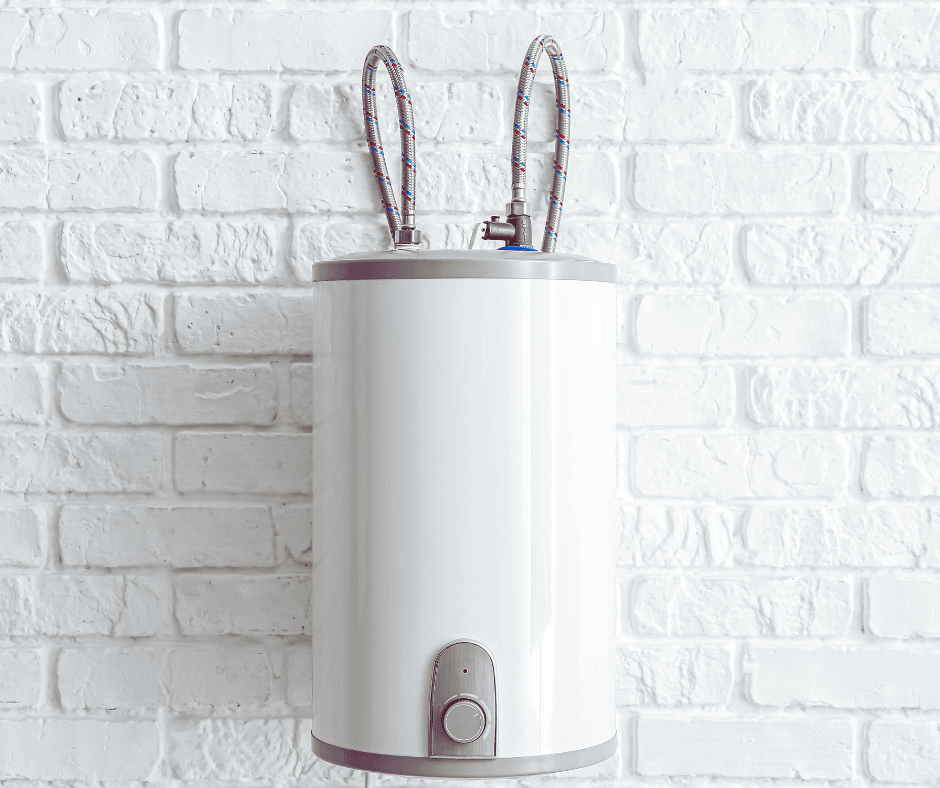
Before replacing a water heater, the most effective cost-control step is a full system evaluation. In Baton Rouge, many units operate inefficiently due to correctable issues rather than terminal failure. Cajun Maintenance provides water heater services in Baton Rouge with a focus on repair accuracy, system optimization, and long-term operating cost reduction rather than unnecessary replacement.
A professional assessment often reveals hidden inefficiencies such as failing heating elements, corroded anode rods, miscalibrated thermostats, or restricted dip tubes. Technicians also inspect critical safety and performance components including the gas valve, burner assembly, thermocouple, expansion tank, flue pipe, drain valve, and T&P relief valve. Each of these parts directly affects recovery time, fuel usage, and system stability.
Sediment buildup is one of the most costly problems in East Baton Rouge Parish. Calcium and mineral deposits settle at the bottom of tank systems, forcing burners or electric elements to work longer to heat water. This causes rumbling noises, uneven temperatures, and premature tank failure. In many cases, controlled flushing combined with targeted part replacement restores efficiency at a fraction of replacement cost.
This diagnostic-first approach extends the life of gas water heaters, electric water heaters, tankless systems, hybrid heat pump units, and point-of-use heaters. For homeowners near LSU, Tiger Stadium, Southern University, Perkins Rowe, and the Mall of Louisiana, same-day evaluations often prevent emergency failures that lead to costly after-hours repairs.
Older tank-style water heaters lose heat continuously through their exterior walls, especially when installed in garages, utility rooms, or unconditioned spaces. An insulation blanket reduces standby heat loss by maintaining water temperature with less burner or element runtime.
Most insulation blankets cost between thirty and fifty dollars and install in under an hour. Units with insulation ratings below R-24 benefit the most. Care must be taken to leave the thermostat access, burner compartment, and venting areas exposed on gas units. Electric systems allow broader coverage without combustion concerns.
Reducing standby heat loss lowers energy consumption even when no hot water is being used. This upgrade often pays for itself within one year and reduces stress on heating elements and gas valves. Homes in neighborhoods such as Old Jefferson, Tara, and Spanish Town benefit significantly due to higher ambient temperatures that increase thermal loss.
Many water heaters leave the factory set at 140 degrees, which exceeds the needs of most households. Every ten-degree reduction lowers water heating costs by approximately three to five percent. A setting of 120 degrees provides sufficient hot water for bathing, cleaning, and laundry while reducing energy use and scalding risk.
Lowering temperature also decreases mineral precipitation inside the tank, slowing sediment accumulation. This extends the life of heating elements, thermostats, and internal linings. For electric units, both upper and lower thermostats must be adjusted. Gas systems use a control dial at the base of the tank.
If hot water recovery remains slow after adjustment, the issue often lies with a failing heating element, restricted burner assembly, or compromised thermocouple. These problems require targeted repair rather than higher temperature settings.
Reducing hot water demand is as effective as improving heater efficiency. Modern low-flow showerheads and faucet aerators reduce hot water usage by up to sixty percent without noticeable pressure loss. Current designs rely on air injection and flow modulation rather than restriction.
Installation requires minimal tools and costs under one hundred dollars for an entire home. Fixtures labeled with WaterSense certification meet performance standards while conserving water. Reduced hot water usage decreases energy demand and lowers strain on tank and tankless systems alike.
Lower usage also reduces wear on internal components, extending system lifespan. For Baton Rouge homeowners paying municipal water rates or operating well pumps, the combined water and energy savings are substantial. Neighborhoods such as Shenandoah, Broadmoor, and Southdowns see especially strong returns due to larger household sizes.
A single dripping hot water faucet can waste thousands of gallons annually. Since water is heated before reaching the fixture, every drop lost represents direct energy waste. Even minor leaks can add hundreds of dollars per year to utility costs.
Common sources include worn faucet cartridges, failing shutoff valves, leaking drain valves, and expansion tank connections. In water heaters, leaks often signal a depleted anode rod or internal tank corrosion. Early detection prevents water damage and emergency replacement.
Checking the water meter overnight without usage is a reliable method for detecting hidden leaks. Addressing leaks promptly delivers immediate energy savings and reduces the risk of structural damage, especially in older homes near the Baton Rouge River Center and downtown corridors.
Water heater replacement is not always the most economical solution. Units under twelve years old with intact tanks often benefit more from targeted repairs and efficiency upgrades. Replacing heating elements, anode rods, thermostats, or gas components restores performance without the cost of full installation.
Replacement becomes necessary when tanks leak, internal corrosion is advanced, or recovery times no longer meet household demand. Hybrid heat pump systems and condensing tankless units offer strong efficiency gains for larger households and high-demand properties in zip codes 70808 and 70810.

High humidity, mineral-heavy water, and extended operating cycles increase wear in Baton Rouge systems. Homes with older plumbing infrastructure experience faster sediment accumulation and pressure fluctuations. Expansion tanks and T&P valves are critical safety components under these conditions.
Licensed Master Plumbers familiar with East Baton Rouge Parish codes ensure compliance with venting, thermal expansion control, and pressure regulation. Proper installation and maintenance protect both energy efficiency and household safety.
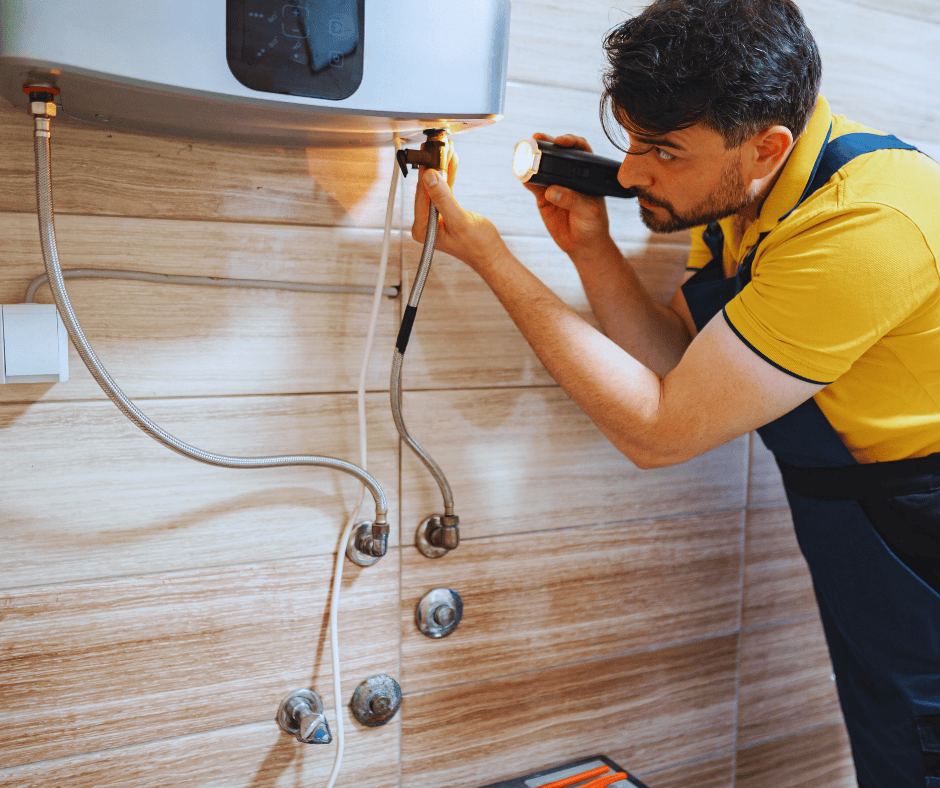
Annual inspections, controlled flushing, and part evaluation stabilize operating costs and extend system life. Maintenance reduces emergency failures and preserves consistent hot water delivery. Homeowners who schedule routine service avoid surprise outages and unplanned expenses.
Cajun Maintenance provides transparent evaluations, upfront pricing, and same-day service when hot water cannot wait. Licensed and insured master plumbers support repair, maintenance, and replacement decisions with clear technical justification rather than sales pressure.
Reducing hot water costs does not require major lifestyle changes or immediate replacement. It requires understanding how water heaters lose efficiency over time and correcting those losses methodically. For Baton Rouge homeowners, informed decisions backed by local expertise translate directly into lower bills and reliable comfort.
For homes requiring immediate attention, Cajun Maintenance offers water heater repair with same-day availability across East Baton Rouge Parish.
Redirect to:
|
This page is a redirect. The following categories are used to track and monitor this redirect:
|